

AI continues to be the finest thing in tech, so itâs no shock hackers need to lift fair correct thing about it in their assaults on unsuspecting victims. A few days up to now, we learned of a artful marketing and marketing campaign on social media platforms like TikTok, the establish hackers uploaded clips narrated by AI that convinced customers to set up malware on their laptop programs. Of us that fell for the assault realizing the videos equipped instructions on activating pirated software.
Thatâs no longer the ideally suited components attackers exhaust AIâs reputation to trick customers into inserting in malware on their devices. A pair of experiences from Talos and Googleâs Mandiant got here out this week detailing the unconventional AI-basically based assaults.
Hackers are conning victims into downloading malware apps by promoting the applications as AI instruments they'd perchance additionally wish to exhaust for personal or enterprise capabilities.
Iâve in most cases on the spot other folks to are attempting AI despite the indisputable truth that it appears upsetting, as speaking to instruments like ChatGPT or Gemini will put together them for the AI period of computing. Your job may perchance well one day count on the utilization of AI. Alternatively, that doesnât point out you could mild exhaust AI products from shady sources or are attempting to skirt the prices alive to with get entry to to premium aspects.
As with most utterly different kinds of software, AI applications canât be free. You shouldnât be buying for deals from third-party suppliers which are too upright to be loyal, as they'd perchance additionally flip out to be hackers who canât wait to infect your devices with malware-weighted down files.
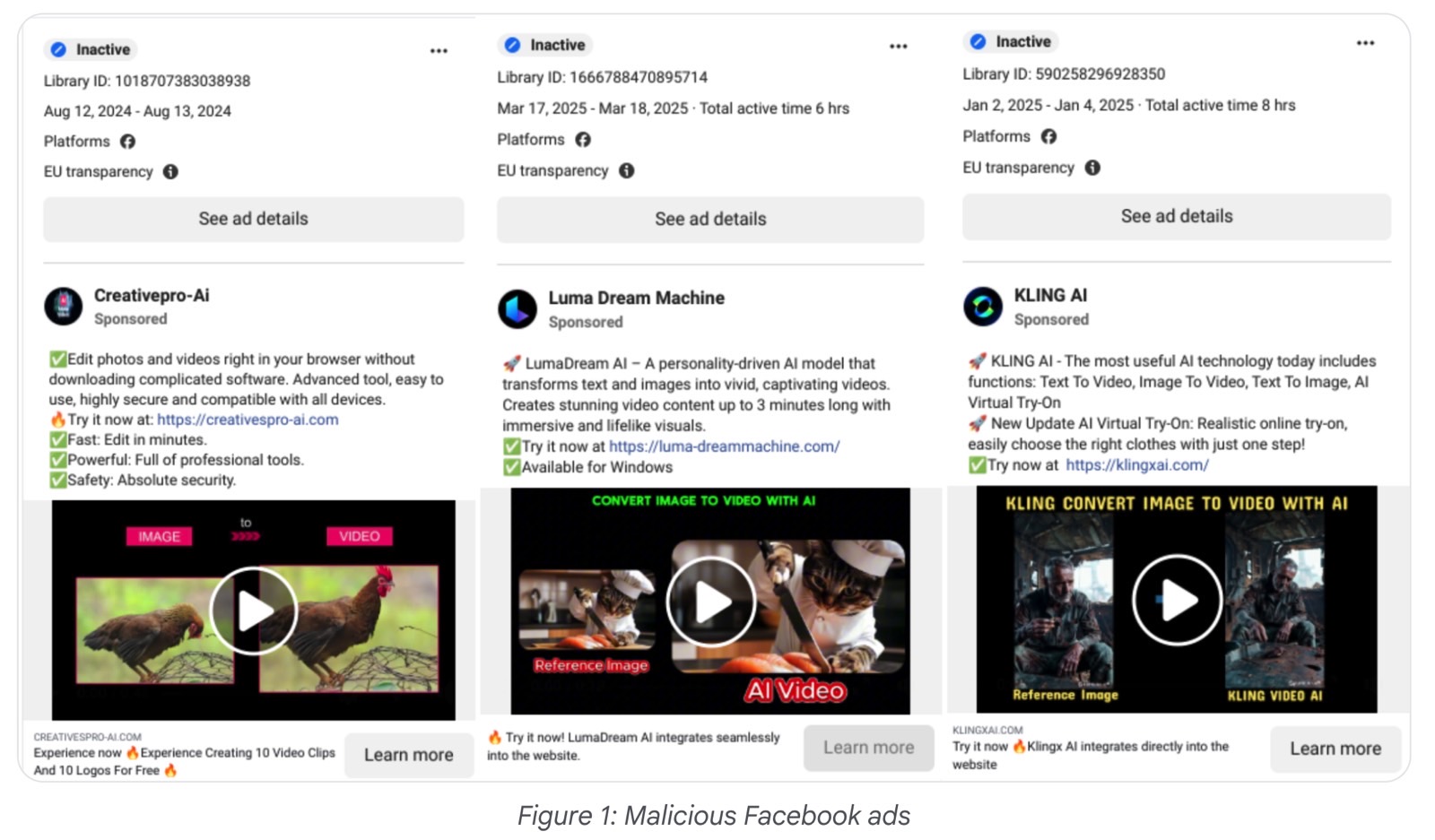
Mandiant on Tuesday detailed a Vietnam-basically based neighborhood known as UNC6032 that produced adverts on social media like Fb and LinkedIn promoting proper AI video generator applications known as Luma AI, Canva Dream Lab, and Kling AI, however pointing customers to unsuitable web sites. These web sites then duped customers into downloading malware disguised because the free AI videos they purportedly generated with their prompts.
Of us that opened the files build in malware in a position to stealing usernames and passwords, logging what they typed, and even hijacking their bank accounts.
Although the PC restarts, the malware will proceed to urge, and hackers may perchance well comprise distant control over it, giving them extra assault capabilities.
On Thursday, Talos followed up with a file that describes three malware kinds disguised as premium AI products.
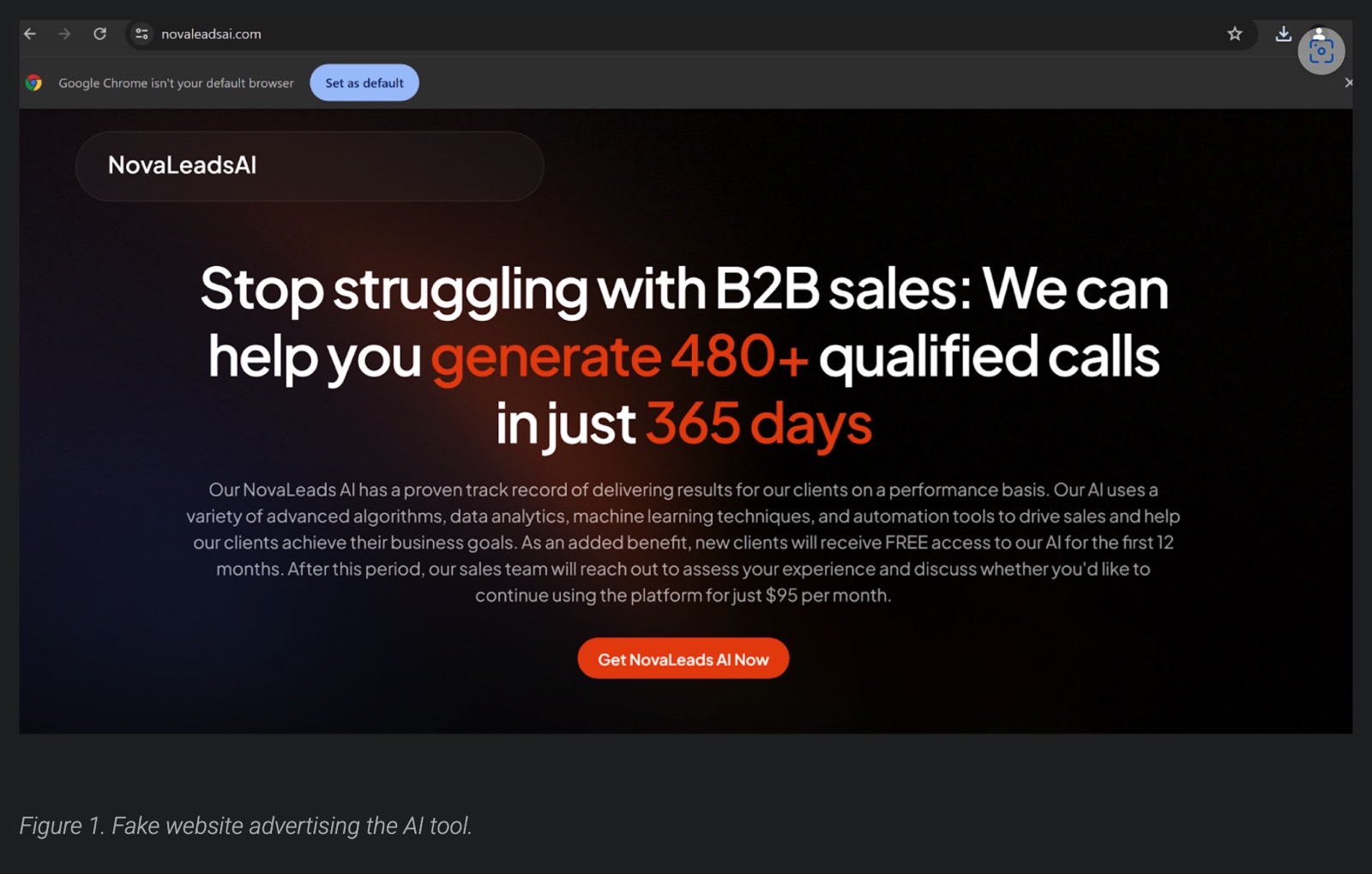
Users mediate theyâre downloading an AI lead-technology product after acquiring a mountainous deal: 300 and sixty five days of free get entry to to a product known as NovaLeadsAI, and then $95/month after that. In truth, they've doubtless upright downloaded CyberLock, one in every of three noticed malicious applications.
As for the utterly different two, Lucky_Gh0$t impersonates a ârotund versionâ of ChatGPT 4.0, while Numero masquerades as an AI video generator known as InVideo.
The first two are ransomware. CyberLock will lock up your Residence windows machine and then request for a $50,000 ransom in Monero cryptocurrency. Weirdly, the ransomware claims the money will fund humanitarian efforts in Palestine, Ukraine, and utterly different locations, which is principally no longer loyal. Itâs upright one more trick to convince victims, doubtless companies, to pay up.
Lucky_Gh0$t encrypts any file smaller than 1.2GB and deletes anything else larger.
Numero is equally imperfect. It runs an app that rewrites Residence windows UI aspects, making them unusable. As an illustration, it may perchance well per chance perchance replace window titles or buttons with â1234567890,â making the utilization of the PC very no longer going.
Itâs unclear what number of other folks had been plagued by these malware assaults that exhaust the reputation of AI as an assault vector.
Mandiantâs investigation presentations that UNC6032 may perchance well comprise reached higher than two million customers in Europe by capacity of Fb adverts. Itâs unclear what number of had been then duped into downloading files. LinkedIn adverts reached between 50,000 and 250,000 other folks.
Meta on the spot The Register it removed the malicious adverts, blocked the gain sites, and took down the accounts âmany earlier than they had been shared with us.â
Again, you could no longer win any free AI apps from shady sources. If youâre doubtful about something, simplest steer determined of it, no matter how upright it sounds. Additionally, whether youâre new to AI or no longer, you may perchance well repeatedly exhaust free products like ChatGPT or Gemini to carry out background checks on shady web sites and the AI products they claim to provide.
While weâre at it, itâs a upright advice to support up your data steadily so you wonât lose too noteworthy data if youâre hit with ransomware. As for passwords and banking data, youâd better exhaust password managers for that, steer determined of recycling passwords, and commerce some of your logins as soon as in some time.
Study More


